Tokyo
Tokyo Guide: itinerary, where to stay, temples and neon culture
Tokyo Guide: itinerary, where to stay, temples and neon culture
A metropolis of impressive contrasts between ancient tradition and futurism. The starting point to master the largest city in the world.
Tokyo is immense, but incredibly functional. Choosing the right base along the Yamanote circle line will make the difference between wasting hours in transit or always being just minutes away from the action. This guide helps you organize your days by neighboring districts so you don't cross the city unnecessarily.
A city made of several cities.
Tokyo doesn't have a single "center". Neighborhoods like Shinjuku, Shibuya, Akihabara and Asakusa offer diametrically opposed experiences and function as independent cities. Organizing each day by neighboring zones makes the trip incredibly simple and efficient.
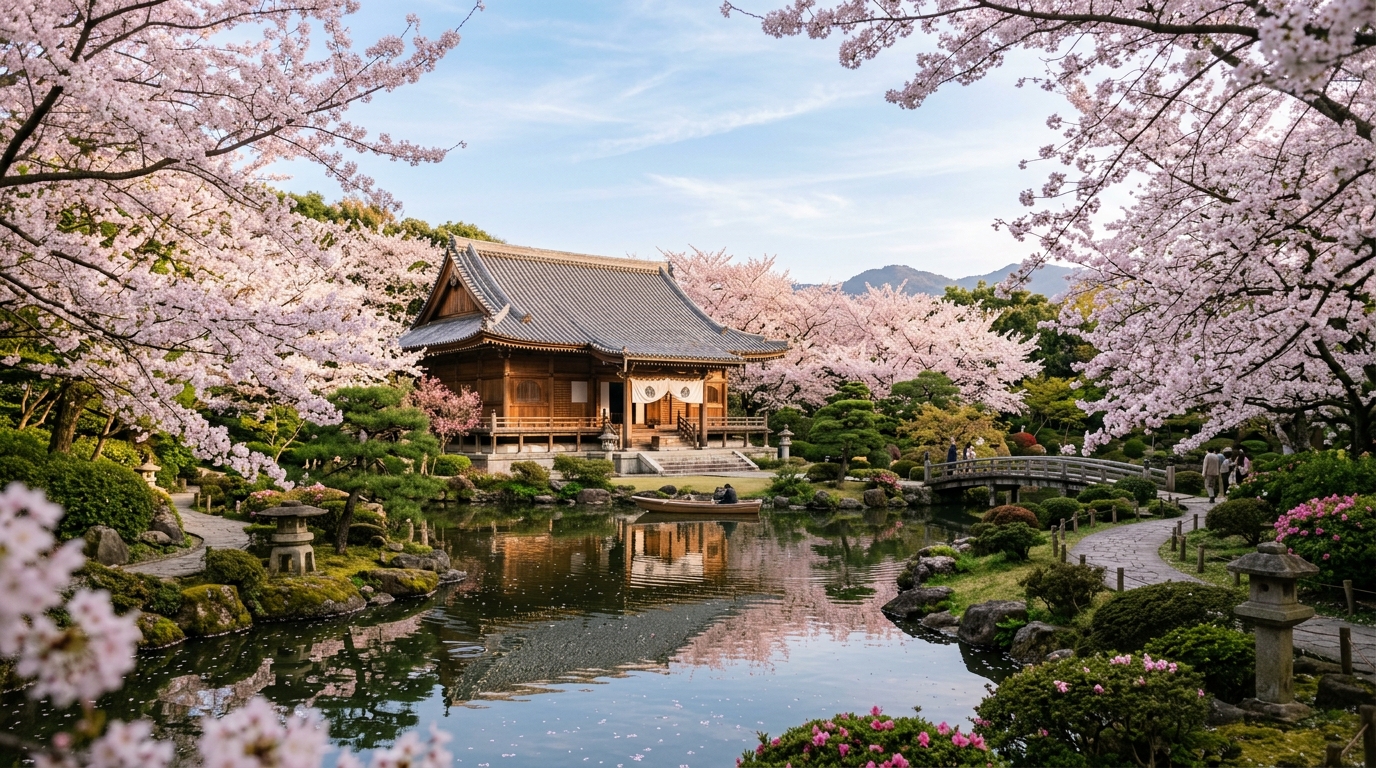
Each season changes the scenery.
Spring (March-May) brings the famous cherry blossoms (Sakura), which is the peak season. Autumn (October-November) balances great weather with the red colors of Momiji. Summer (July-August) is extremely humid and muggy. Winter is cold but usually has sunny days and clear skies (great for viewing Mount Fuji).
How much does Tokyo cost?
With the recent depreciation of the Yen, Japan is more accessible. Indicative values.
- Accommodation: €70 to €150 / night (small, functional, clean rooms).
- Food: €20 to €40 / day (ramen, conveyor belt sushi, and Konbinis are very cheap).
- Transport: ~€5–€10 / day (within Tokyo, trips cost ~€1.5 to €2).
- Attractions: Viewpoints (€15-€20), teamLab Museums (€25), Temples (many free).
Strategic bases on the Yamanote line.
The Yamanote Line (JR) is the circular train line that connects the main hubs. Try to stay near a station on this line.
Shinjuku
The most energetic area. Giant skyscrapers, Godzilla, and the busiest train station in the world.
Search hotels →Shibuya
The famous crossing, Hachiko, and trendy shopping. Great vibe, but slightly more expensive.
Search hotels →Asakusa
More traditional and relaxed. Home to Senso-ji temple. Accommodation is usually cheaper here.
Search hotels →The IC Card is your best friend.
Don't bother buying individual tickets. Add a digital Suica or Pasmo card to your Apple Wallet / Google Pay before you travel.
- To/From Narita (NRT): The Narita Express (N'EX) or the Skyliner are the fastest ways into the city.
- To/From Haneda (HND): Much closer to the city. The Monorail or Keikyu line gets you to the center in 30 mins.
5 days in Tokyo.
Shibuya and Harajuku
- Morning: Meiji Shrine and Yoyogi Park.
- Afternoon: Walk down Takeshita Street in Harajuku (youth fashion) and Omotesando (luxury).
- Evening: Shibuya Crossing. See the Hachiko statue and go up to Shibuya Sky for sunset.
Asakusa and Akihabara
- Morning: Senso-ji Temple in Asakusa (go early to avoid crowds).
- Afternoon: Ueno Park and Ameyoko market.
- Evening: Akihabara (Electric Town). Neon lights, arcades, and anime culture.
Shinjuku
- Morning: Shinjuku Gyoen National Garden (beautiful and peaceful).
- Afternoon: Tokyo Metropolitan Government Building (free observation deck).
- Evening: Explore Kabukicho (neon district) and have a drink in the tiny bars of Golden Gai or Omoide Yokocho.
Digital Art and Odaiba
- Morning: Tsukiji Outer Market for fresh sushi and street food.
- Afternoon: teamLab Planets (book well in advance) in Toyosu.
- Evening: Odaiba for views of the Rainbow Bridge and the life-size Gundam statue.
Mistakes to avoid
- Eating or drinking while walking: It is considered rude in Japan. Buy your drink from the vending machine and drink it standing next to it.
- Talking loudly on trains: Public transport in Tokyo is whisper-quiet. Put your phone on silent and avoid phone calls.
- Leaving tips: There is no tipping culture in Japan. Tipping can even cause confusion and staff will run after you to give the money back.